


CREDIT: Yemi Melikhaya

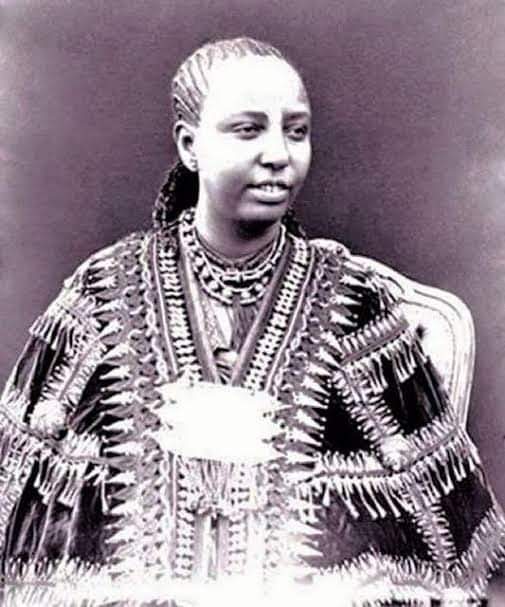
Queen Taytu, the founder of Addis Ababa 🇪🇹
Taytu Betul born 1851 and died 11 February 1918. She was Empress of Ethiopia from 1889 to 1913 and the third wife of Emperor Menelik II.
An influential figure in anti-colonial resistance during the late 19th-century Scràmble for Africa, she, along with her husband, founded the modern Ethiopian capital Addis Ababa in 1886.

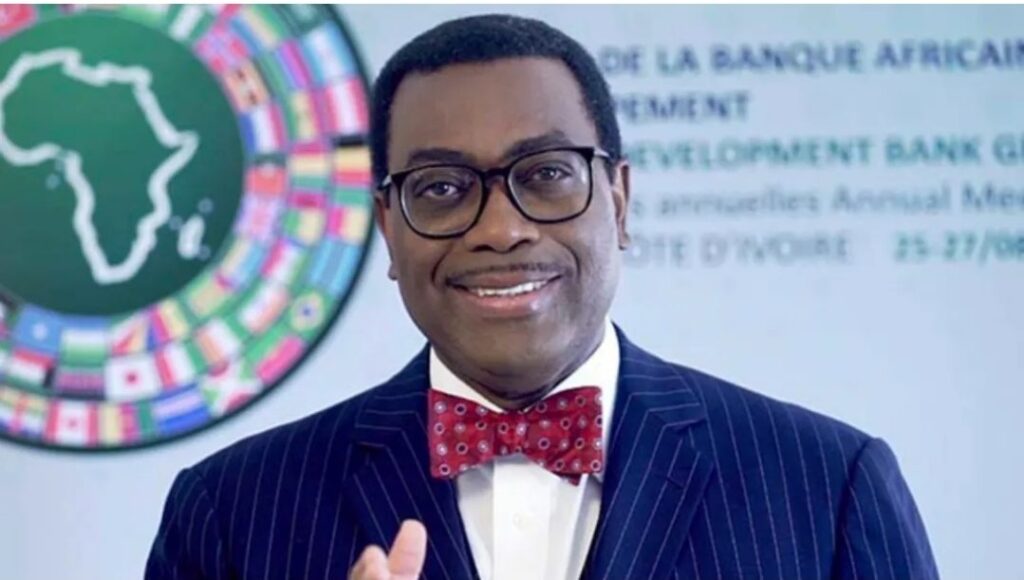
African Development Bank (AfDb) Internship Program provide students with an opportunity to acquire professional and practical experience at the African Development Bank
This also Provides the Bank with a pool of potential candidates for future recruitment purposes. However, applicants should not expect the internship to lead to immediate employment with the Bank.
Established in 1964, the African Development Bank is the premier pan-African development institution, promoting economic growth and social progress across the continent. There are 81 member states, including 54 in Africa (Regional Member Countries).
Summary
Host: African Development Bank (AfDB)
Category: Internships | Training
Eligible Countries: All African Countries
Reward: Full Sponsorship | Monthly Stipends
Deadline: October 26, 2023
Scholarship Alerts: To receive Scholarship Alerts on WhatsApp, Click HERE
Details:
The Bank’s development agenda is delivering the financial and technical support for transformative projects that will significantly reduce poverty through inclusive and sustainable economic growth.
In order to sharply focus the objectives of the Ten-Year Strategy (2023 – 2032) and ensure greater developmental impact, five major areas, all of which will accelerate our delivery for Africa, have been identified for scaling up, namely; energy, agro-business, industrialization, integration and improving the quality of life for the people of Africa.
The Internship program is part of a wider Talent Management Framework which facilitates the Bank to deliver on the Ten-Year Strategy and the High 5s.
Participants in the Program are selected on a competitive basis, based on business needs of the Bank
Join any of these WhatsApp Groups to receive Scholarship alerts on WhatsApp
Scholarship Region 1
Scholarship Region 2
Scholarship Region 3
Requirements:
To be eligible for internship, applicants must meet the following criteria:
Must have attained the age of majority in their country of nationality or origin and be not more than Thirty (30) years old at the time of commencement of the internship program.
Be currently enrolled in a master’s level degree program in a recognized public or private educational institution of higher learning.
The candidate can apply for an internship within one (1) year of having obtained such a degree.
Be nationals of the member Countries of the African Development Bank.
Provide a letter from their school confirming their enrollment or a copy of the above-mentioned Degree. Applicants must be fluent in at least one of the Banks’s two working languages (English or French).
Be able to use the Bank’s standard software packages (Word, Excel, PowerPoint, Access); knowledge of SAP is desirable.
Duration and Reward
Internships shall be granted to each candidate for a period not less than three (3) months and not more than six (6) months. The internship is authorized only once for any candidate.
Selected interns will perform their internship either remotely or on-site depending on the needs of their respective hiring units. Remote interns are expected to have access to a personal computer, reliable internet connection and a conducive living environment that facilitates smooth and uninterrupted remote working.
On-site interns shall be responsible for their air travel (in case of) to and from the Bank’s location as well as their upkeep.
The Bank will use reasonable efforts to assist the concerned interns in obtaining their entry and residence visas.
Eligible Interns will benefit from a medical insurance coverage paid by the Bank during the period of their internship.
Eligible interns will be provided with a monthly stipend.
Strategic Focus areas:
The specific disciplines and specialist professional areas are aligned to the Bank’s Ten-Year Strategy (TYS) and the gender strategy. In addition to the fields that are in the job families of the Bank, focus will be on the following areas:
Power, Energy, Climate and Green Growth
Agriculture, Human & Social Development
Private Sector, Infrastructure and Industrialization
Economics, Statistics
Governance and Knowledge Management
Finance
Legal
Human Resources and Corporate Services: IT, Language Services, General Services & Procurement, HR Management
Audit, Anti-Corruption
Evaluation
Communication & External Relations
Public Relations
Gender
Environmental and Social Assessment
Method of Application
Applicants will only be considered if they submit an online complete application and attach a comprehensive Curriculum Vitae (CV).
Should you encounter technical difficulties in submitting your application, please send an email with a precise description of the issue and/or a screenshot showing the problem to: HR Direct HRDirect@AFDB.ORG
Apply for this position
Regular Staff: If you are currently working at the African Development Bank as a regular staff, click on the button below to apply for this position. Click here
External Candidate: If you are not currently working at the African Development Bank, or if you are a Short Term Staff (STS), a Technical Assistant or a Consultant at the Bank, click on the button below to apply for the position. Click here
To apply for this position, you need to be national of one of AfDB member countries.
CREDIT: YEMI MELIKHAYA

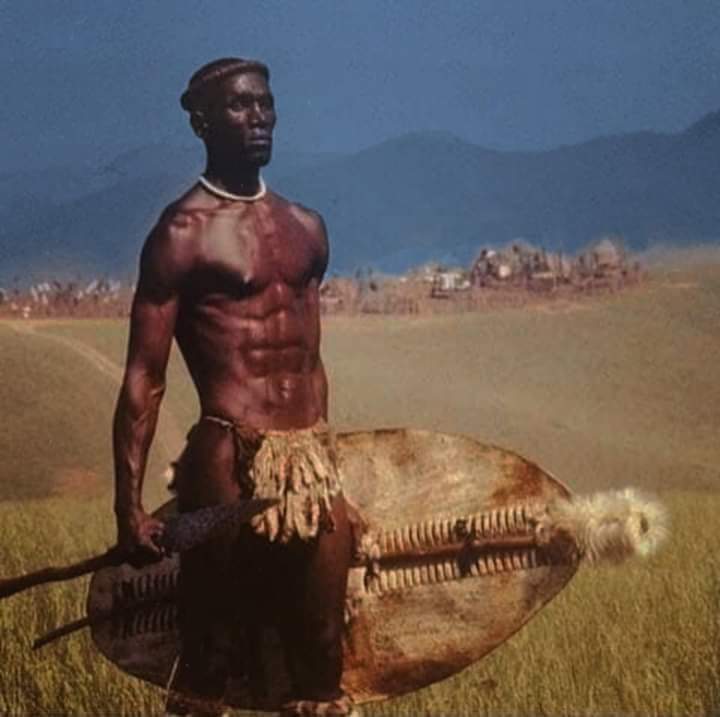
Sigidi kaSenzangakhona commonly knows as Shaka was a great Zulu king and conqueror. He lived in an area of south-east Africa between the Drakensberg and the Indian Ocean, a region populated by many independent Nguni chiefdoms. During his brief reign more than a hundred chiefdoms were brought together in a Zulu kingdom which survived not only the d.eath of its founder but later military defeat and calculated attempts to break it up.
As he grew to m.anhood, Shaka began to discover new talents and faculties. Outwardly, he was tall and powerfully built, and his skill and daring gave him a natural mastery over the youths in his age group; inwardly, he was developing a thirst for power. Probably when he was about twenty-three years old, he was drafted into one of the Mthethwa regiments where he found a satisfaction he had never known before. With the impi in the iziCwe regiment, he had the companionship he had previously lacked, while the battlefield provided a stadium in which he could demonstrate his talents and courage.
His outstanding deeds of courage attracted the attention of his overlord and, rising rapidly in Dingiswayo’s army, he became one of his foremost commanders. At this time, Shaka was given the name Nodumehlezi (the one who when seated causes the earth to rumble). While in the Mthethwa army Shaka became engrossed in problems of strategy and battle tactics, and Dingiswayo contributed much toward Shaka’s later accomplishments in w.ar. Militarism was thereafter to be a way of life for him, and one that he was to inflict on thousands of others.
Remember the Great Shaka Zulu, founder of the Zulu kingdom, military genius…Ase!!!
📸 : Late Henry Cele (South African actor)
Guys let’s get our YouTube channel (YT: Historical Africa) to 100k subscribers. Kindly click on the link to subscribe. 🙏 https://youtube.com/c/HistoricalAfrica

CREDIT: YEMI MELIKHAYA

Guyana 🇬🇾 a country in South America, the people(Black) are of African Ancestry specifically Senegal. 🇸🇳
Guyana is a diverse country on the mainland of South America often also considered part of the Caribbean community. Guyana is often referred to as an African country due to its large population of decedents from African countries.
Afro-Guyanese people are generally descendant of Africa brought to Guyana from the coast of West Africa to work on sugar plantations during the era of the Atlantic slàve trade. The date of the first arrival of enslàved Africans in Guyana is not known, but it is believed the first group were brought by Dutch settlers who migrated from Tobago from as early as the mid-seventeenth century.
The majority of the population of Guyana is of African (29.2 per cent), mixed heritage (19.9 per cent) and East Indian (39.9 per cent) descent (2012 Census), with Indo-Guyanese being the dominant group. The rest of the population is of European, Chinese or indigenous origin.
Guyana is the only country in South America with English as the official language. Guyana gained independence in 1966. Although English is the official language, most Guyanese have Guyanese Creole as a first language.
📸 Mama Africa
Guys let’s get our YouTube channel (YT: Historical Africa) to 200k subscribers. Kindly click on the link to subscribe. 🙏 https://youtube.com/c/HistoricalAfrica
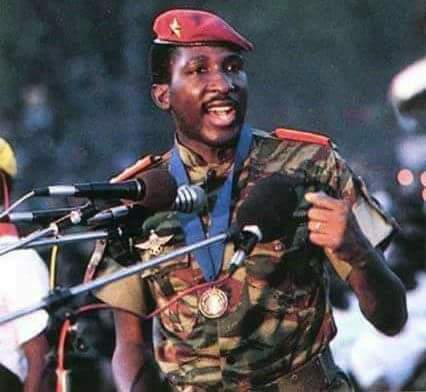
Biography of Thomas Sankara.
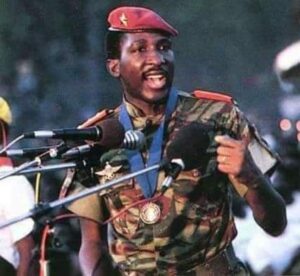
Thomas Sankara was Burkina Faso’s President from August 1983 until his assassination on October 15, 1987. Perhaps, more than any other African President in memory, Thomas Sankara, in four years, transformed Burkina Faso from a poor country, dependent on aid, to an economically independent and socially progressive nation.
Thomas Sankara began by purging the deeply entrenched bureaucratic and institutional corruption in Burkina Faso.
He slashed the salaries of Ministers and sold off the fleet of exotic cars in the President’s convoy, opting instead for the cheapest brand of car available in Burkina Faso, Renault 5. His salary was $450 per month and he refused to use the air conditioning units in his office, saying that he felt guilty doing so, since very few of his country people could afford it.
Thomas Sankara would not let his portrait be hung in offices and government institutions in Burkina Faso, because every Burkinabe is a Thomas Sankara, he declared. Sankara changed the name of the country from the colonially imposed Upper Volta to Burkina Faso, which means land of upright men.
Thomas Sankara’s achievements are numerous and can only be summarized briefly; within the first year of his leadership, Sankara embarked on an unprecedented mass vaccination program that saw 2.5 million Burkinabe children vaccinated. From an alarming 280 deaths for every 1,000 births, infant mortality was immediately slashed to below 145 deaths per 1,000 live births. Sankara preached self-reliance, he banned the importation of several items into Burkina Faso, and encouraged the growth of the local industry. It was not long before Burkinabes were wearing 100% cotton sourced, woven and tailored in Burkina Faso. From being a net importer of food, Thomas Sankara began to aggressively promote agriculture in Burkina Faso, telling his country people to quit eating imported rice and grain from Europe, said, “let us consume what we ourselves control,” he emphasized.
In less than 4 years, Burkina Faso became self-sufficient in foods production through the redistribution of lands from the hands of corrupt chiefs and land owners to local farmers, and through massive irrigation and fertilizer distribution programs. Thomas Sankara utilized various policies and government assistance to encourage Burkinabes to get education. In less than two years as a president, school attendance jumped from about 10% to a little below 25%, thus overturning the 90% illiteracy rate he met upon assumption of office.
Living way ahead of his time, within 12 months of his leadership, Sankara vigorously pursued a reforestation program that saw over 10 million trees planted around the country in order to push back the encroachment of the Sahara Desert. Uncommon at the time he lived, Sankara stressed women empowerment and campaigned for the dignity of women in a traditional patriarchal society. He also employed women in several government positions and declared a day of solidarity with housewives by mandating their husbands to take on their roles for 24 hours.
A personal fitness enthusiast, Sankara encouraged Burkinabes to be fitted and was regularly seen jogging unaccompanied on the streets of Ouagadougou; his waistline remained the same throughout his tenure as president.
In 1987, during a meeting of African leaders under the auspices of the Organization of African Unity, Thomas Sankara tried to convince his peers to turn their backs on the debt owed western nations. According to him, “debt is a cleverly managed reconquest of Africa. It is a reconquest that turns each one of us into a financial slave.” He would not request for, nor accept aid from the west, noting that “…welfare and aid policies have only ended up disorganizing us, subjugating us, and robbing us of a sense of responsibility for our own economic, political, and cultural affairs. We chose to risk new paths to achieve greater well-being.”
Thomas Sankara was a pan-Africanist who spoke out against apartheid, telling French President Francois Mitterand, during his visit to Burkina Faso, that it was wrong for him to support the apartheid government and that he must be ready to bear the consequences of his actions. Sankara’s policies and his unapologetic anti-imperialist stand made him an enemy of France, Burkina Faso’s former colonial master. He spoke truth to power fearlessly and paid with his life. Upon his assassination, on the orders of Francois Mitterrand his most valuable possessions were a car, a refrigerator, three guitars, motorcycles, a broken down freezer and about $400 in cash.
Few young Africans have ever heard of Thomas Sankara. In reality, it is not the assassination of Thomas Sankara that has dealt a lethal blowed to Africa and Africans; it is the assassination of his memory, as manifested in the indifference to his legacy, in the lack of constant reference to his ideals and ideas by Africans, by those who know and those who should know. Among physical and mental dirt and debris lie Africa’s heroes while the younger generations search in vain for role models from among their kind. Africans have therefore, internalized self-abhorrence and the convictions of innate incapability to bring about transformation. Transformation must runs contrary to the African’s DNA, many Africans subconsciously believe.
Africans are not given to celebrating their own heroes, but this must change. It is a colonial legacy that was instituted to establish the inferiority of the colonized and justify colonialism. It was a strategic policy that ensured that Africans celebrated the heroes of their colonial masters, but not that of Africa. Fifty years and counting after colonialism ended, Africa’s curriculum must now be redrafted to reflect the numerous achievements of Africans.
The present generation of Africans is thirsty, searching for where to draw the moral, intellectual and spiritual courage to effect change. The waters to quench the thirst, as other continents have already established, lies fundamentally in history – in Africa’s forbears, men, women and children who experienced much of what most Africans currently experience, but who chose to toe a different path. The media, entertainment industry, civil society groups, writers, institutions and organizations must begin to search out and include African role models, case studies and examples in their contents.
For Africans, the strength desperately needed for the transformation of the continent cannot be drawn from World Bank and IMF policies, from aid and assistance obtained from China, India, the United States or Europe. The strength to transform Africa lies in the foundations laid by uncommon heroes like Thomas Sankara; a man who showed Africa and the world that with a single minded pursuit of purpose, the worst can be made the best, and in record time too.
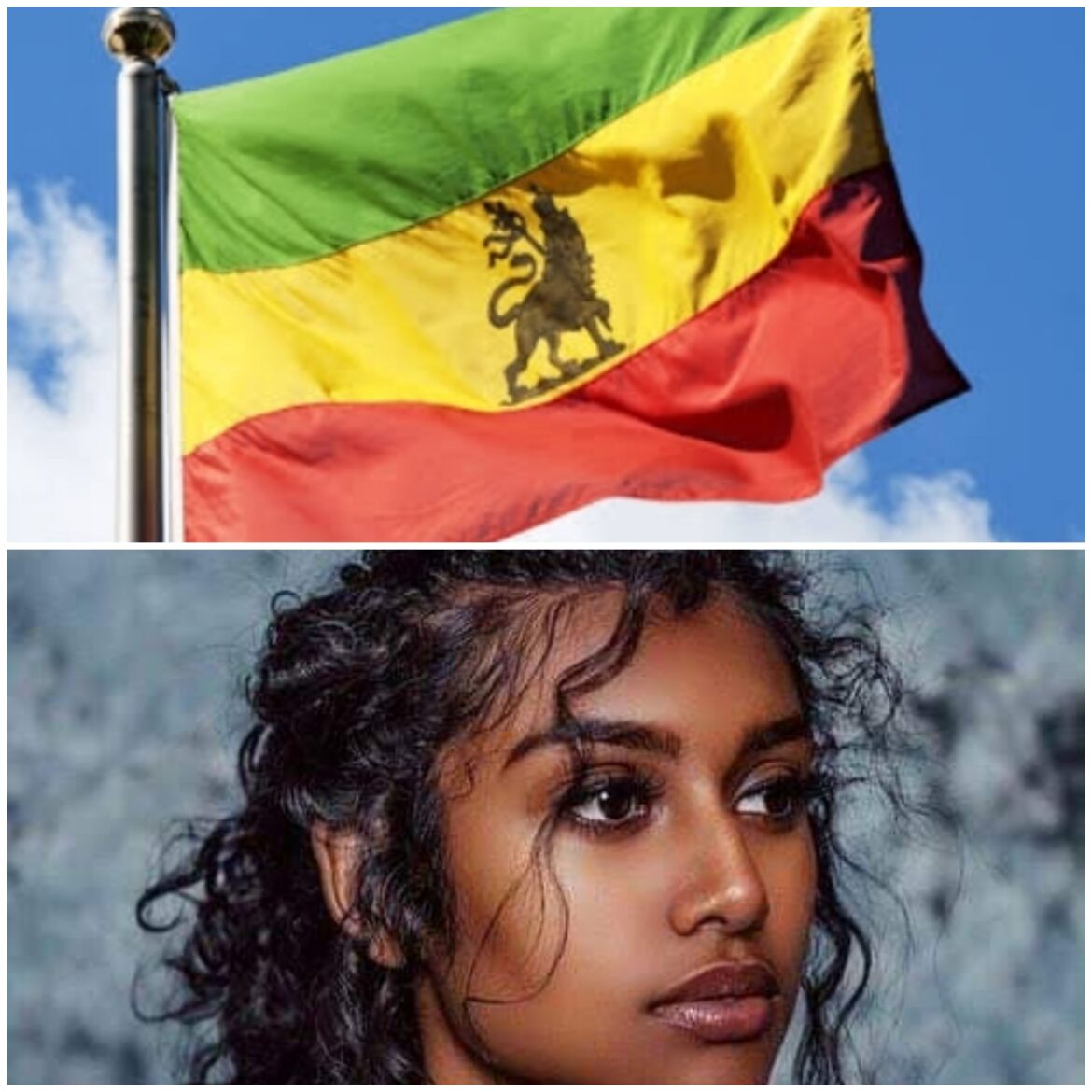

15 𝙄𝙣𝙩𝙚𝙧𝙚𝙨𝙩𝙞𝙣𝙜 𝙁𝙖𝙘𝙩𝙨 𝘼𝙗𝙤𝙪𝙩 𝙀𝙩𝙝𝙞𝙤𝙥𝙞𝙖🇪🇹
- The Ethiopian 🇪🇹 calendar is different from the Georgian calendar. There are thirteen months in the Ethiopian calendar, which means they are currently in 2015.
- Ethiopians 🇪🇹 also measure the hours of a day to a different schedule based on the logic that the clock starts when the day does. Ethiopia, however, observes 13 calendar months per year. This makes the Ethiopian calendar 7 years behind the rest of the world.
- Ethiopia 🇪🇹 is the only African country never to have been brought under colonial rule. The Itàlians tried but failed woefully and were defeated by the solid Ethiopian forces.
- Ethiopia 🇪🇹 has the world’s 0ldest Bible and the most unique.
- Ethiopia 🇪🇹 is home to one of the world’s best coffee. In fact, coffee production is huge in Ethiopia.
- According to some archaeological findings, Ethiopia 🇪🇹 is the cradle of humànkind. Meaning lifè actually started in Ethiopia.
- In 1960, an Ethiopian named Abebe Bikila became the first Black African to win gold in the Olympics. He won it by running barefoot.
- Addis Ababa’s name translates to ‘New Flower’ in Amharic. The city is one of the oldest cities in the world.
- Ethiopia 🇪🇹 is home to some of the world’s tastiest, healthiest and most diverse cuisines on the continent of Africa.
- The biggest festival in Ethiopia, Timket, is a three-day annual festival that honours the baptism of Jesus Christ in the river Jordan. It’s one of the world’s largest festivals that takes place annually. The festival attracts millions of people from all over the world.
- Ethiopia 🇪🇹 has the most UNESCO World Heritage Sites on the continent. Ethiopia takes first place as the African country with the most UNESCO World Heritage sites. There are 9 total ranging from religious sites to natural areas. Among them are the Simien National Park, Konso Cultural Landscape and the rock-hewn churches.
- Over 80 languages are spoken in Ethiopia. There are over 80 languages spoken with English being the language of educational systems in addition to local languages which include Oromo, Amharic, Somali and Tigrinya.
- Over half of Africa’s mountains are in Ethiopia 🇪🇹 Along with Ethiopia’s incredible cultural and historical significance, the natural beauty is in a league of its own. In addition to a gorgeous landscape of low desserts and volcanic plateaus, Ethiopia is incredibly mountainous. In fact, around 70% of Africa’s mountains are in Ethiopia.
- Ethiopia 🇪🇹 is Africa’s oldest country. Originally founded in 980 BC, Ethiopia is the oldest independent nation on the continent. Additionally, Ethiopia has remnants of some of the most ancient human beings on earth dating back millions of years making it one of the most important archaeological areas in the world. Not only that, but it is the second most populated country with more than 106 million people.
- Ethiopia 🇪🇹 is the only country in the world with its own unique Alphabet.
COURTESY: https://twitter.com/historical_Afr
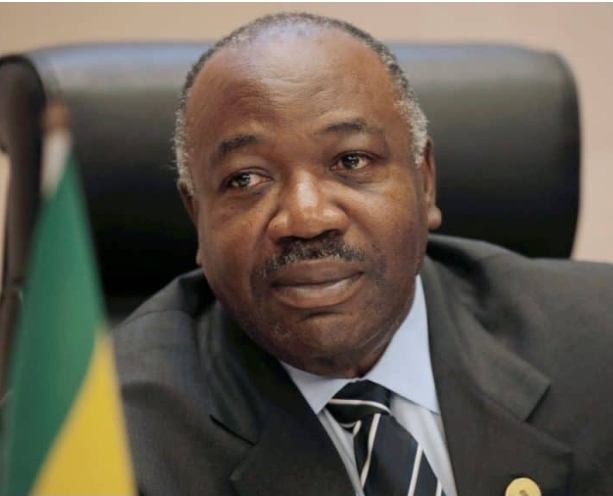

August 30, 2023
Several reactions have trailed the Military Coup in Gabon days after the Gabonese President, Ali Bongo, won the Presidential Election.
Soldiers were said to have appeared on Gabonese National Television in Gabon to announce that they had taken power.
The Military also announced the annulment of Saturday’s Election and the dissolution of the Democratic Institutions in the Country.
Speaking on Gabon 1 and Gabon 24, the Military spokesman said he spoke on behalf of the “Committee for the Transition and Restoration of Institutions”.
Below are Ten things you probably didn’t know about Ali Bongo:
- Ali Bongo was born ‘Alain Bernard Bongo’ in neighbouring Congo-Brazzaville in February 1959.
- His father, Omar Bongo, was president of Gabon from 1967 until he died in 2009.
- He was Minister of Foreign Affairs from 1989 to 1991 during his father’s presidency.
- Ali Bongo won the 2009 Gabonese presidential election after his father’s death.
- He was reelected in 2016 in elections marred by numerous irregularities, arrests, human rights violations and post-election protests and violence.
- He studied at a private school in Neuilly, France, and then studied law at the Sorbonne.
- In 1977, he released a funk album, ‘A Brand New Man’, produced by Charles Bobbit.
- In 1989, Ali Bongo married his first wife, a French-born, Sylvia Valentin.
- In 1994, Ali Bongo married his second American wife, Inge Lynn Collins Bongo, from Los Angeles, California. At the time of Ali Bongo’s election as president, Inge Bongo was living on food stamps in California, and she later filed for divorce in 2015.
- Ali Bongo has four children.
The post Coup: 10 Things You Should Know About Desposed Gabonese President, Ali Bongo appeared first on Naija News.
COURTESY: Naija News

Remembering Brenda Fassie, the Queen of African Pop whose music still lives on.

Brenda was born in Cape Town, South Africa 🇿🇦 in 1964, where she was raised by her mother after her father passed away when she was two. At a tender age, she started earning money by singing to tourists, while her mother, a pianist, played alongside. Brenda climbed her way to the top, beginning as the lead singer in a group called “Brenda and The Big Dudes”, and eventually branching off as a solo artist.

Brenda became well known for her “outrageousness” on stage and was sometimes referred to as the “Black Madonna”. Some of her greatest hits include “Vuli Ndlela”, “Black President”, “Nomakanjani?”, “I’m sorry Mama” and more. Most of her albums went on to become multi-platinum sellers in South Africa.
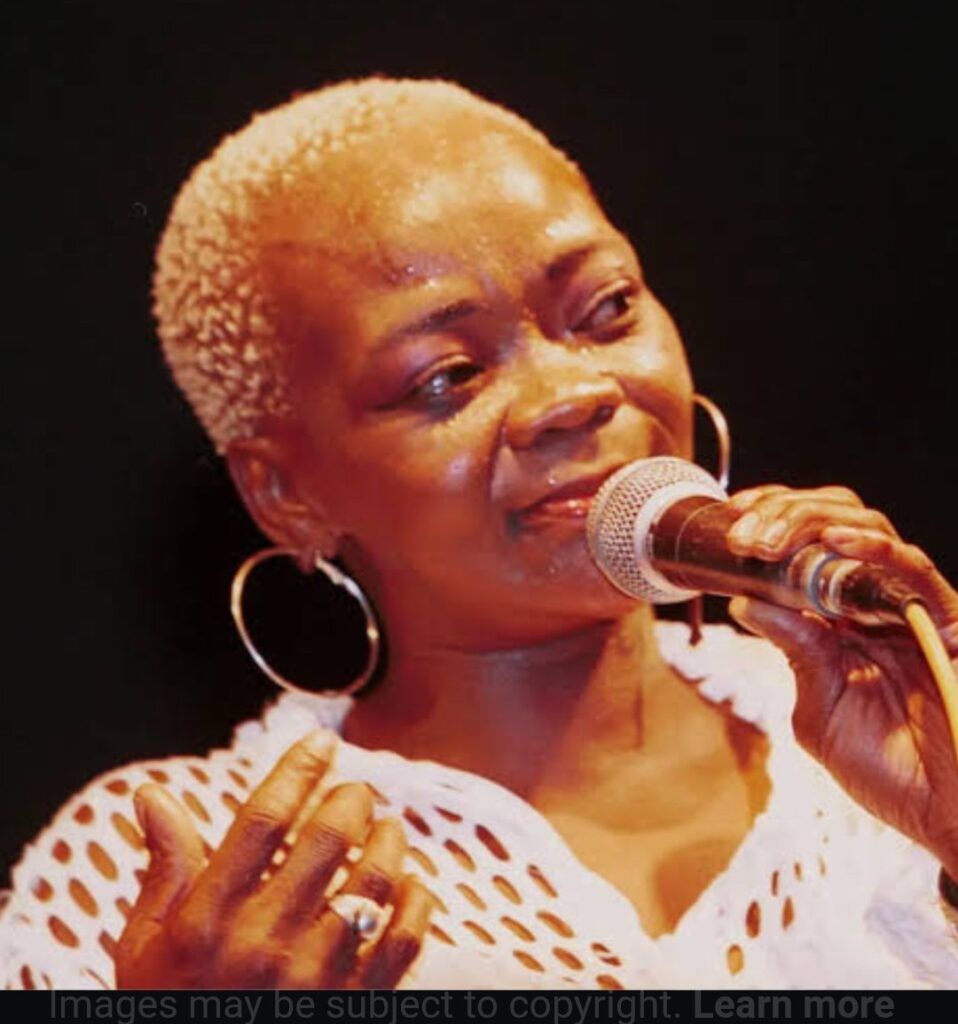
She died in 2004 at the age of 39 after losing consciousness at a hospital in South Africa.
Despite all the controversies surrounding her personal life, Brenda was a trailblazer in the African music industry. She was a musical genius who constantly reinvented herself and always gave fans around the world something special to look forward to. More importantly, she was a revolutionary who lent her voice to important social issues in her country and went on to inspire many people. Her impact on African music is undeniable and her work will continue to impact generations for years to come.
thelilylegendssportsgist #lilylegendssportstable
bittertruthgroup #thelilylegendssportsconnections
Courtesy: amarachililianezeabasili
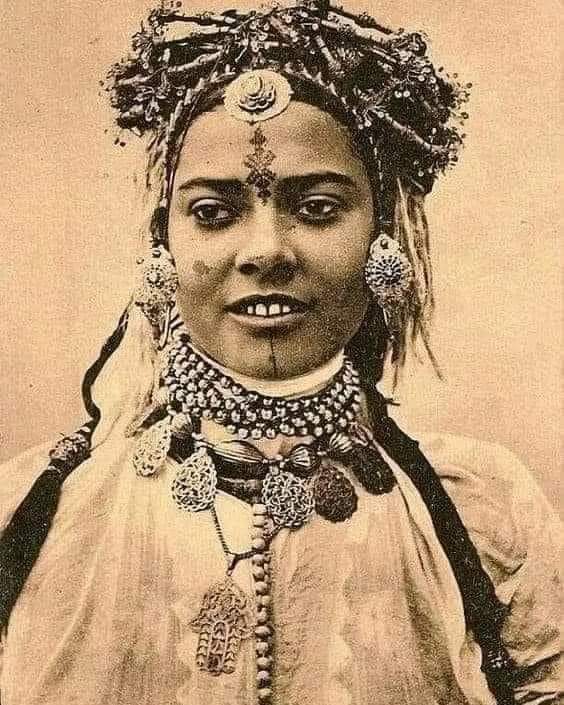
The Berber Queen who defied the Caliphate: Al-Kahina and the Islamic Conquest of North Africa
Seventh-century North Africa would see the rise of a warrior queen named al-Kahina. Who was she and how was she able to wage a war against the Umayyad Caliphate?
After their unification under the banner of Islam and the rule of the caliphs in Medina, the Arabs embarked on a series of spectacular conquests during the 7th and 8th centuries. By the mid-8th century, they created an empire that encompassed the territories between the Iberian Peninsula in the west to Norther India and Central Asia in the East
Morocco’s 🇲🇦 Indigenous Berber women play a prominent role in their culture.
For example, the story of Kahina, the pre-Islamic female warrior, is still very much alive in Berber culture and nowadays is used by the youth as a symbol of Berber language and culture. Kahina is remembered for her acts of bravery and her clairvoyant ability to lead her people against the Arab invasions in the 7th century CE. She surmounted the masculine monopoly of military enterprise to become a legend and the only uncrowned ‘she king’ in Moroccan history. Kahina, whose name means ‘priestess’ or ‘prophetess’, was born in the Aures Mountains in Algeria in the 7th century; the exact date is unknown.
During her lifetime, Arab generals began to lead armies into North Africa, preparing to conquer the area and introduce Islam to the local peoples. Kahina directed a determined resistance to the invasions. Around 690, she assumed personal command of the African forces, and under her aggressive leadership, the Arabs were forced to retreat.
Courtesy: The Real Black History
